
Service 19
Accessory Apartments & Conversions
Legalize a second unit, garage conversion or two-family use where the code allows it.
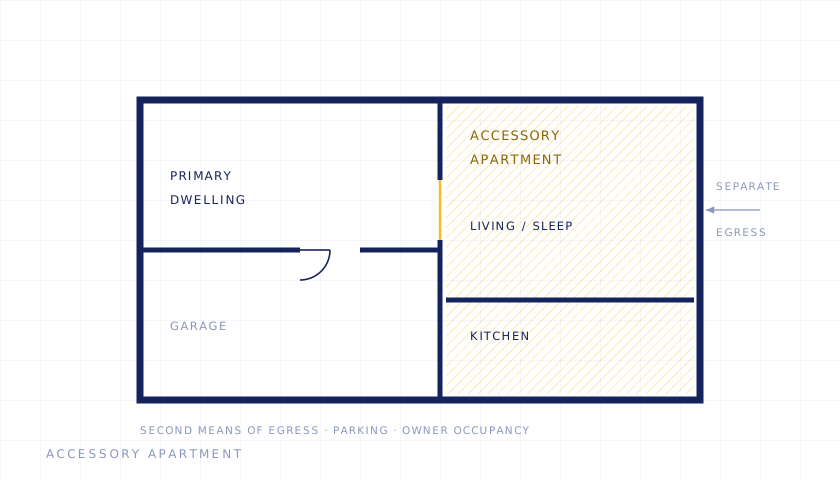
Second units are among the most common unpermitted conditions on Long Island, and among the most locally regulated. Egress, parking, ceiling height, owner-occupancy and separate utilities all get examined, and the rules differ between neighbouring towns.
Scope
- Accessory apartment permit applications
- Garage and basement conversion legalization
- Two-family use applications and conversions
- Egress, light, ventilation and ceiling height analysis
- Parking and lot requirement review
- Fire separation and life safety compliance
- Rental permit and registration support
Who we work with
Homeowners with an existing second unit, buyers of properties with one, and owners planning to add one.
Where we deliver this
Across Nassau, Suffolk, the East End and all five boroughs. Most requested in:
Related services
- Legalizations
- Certificates of Occupancy & Compliance
- Violations, Open Permits & Compliance
- Variances & Zoning Relief
- Design & Construction Documents
- Property File Review
Related guides
- Legalizing an accessory apartment on Long Island
- What to do when you get a building department violation
Common questions
The unit already exists. Can it be legalized?
Often, though it depends on the town, the zoning district and whether the space can meet egress and ceiling height. A site visit and a look at the record answers it.
Does the owner have to live in the house?
Many Long Island jurisdictions require owner-occupancy for an accessory apartment. Which rule applies depends on the municipality.